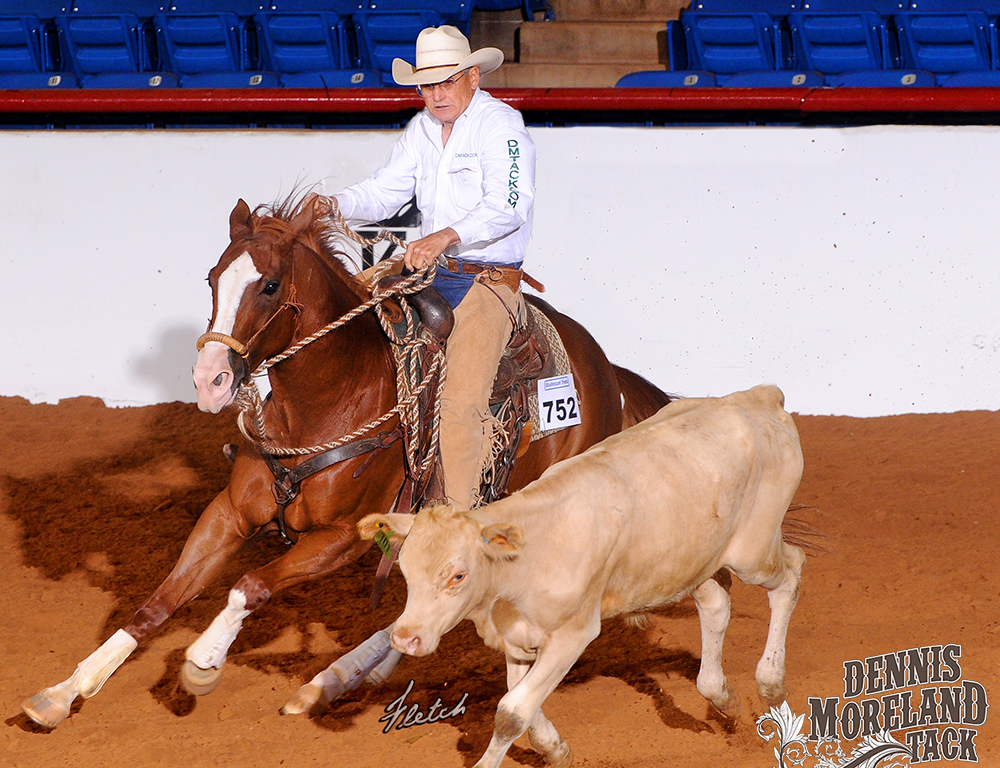
We know horseman have been using hackamores on their horses for hundreds of years and this piece of equipment hasn’t changed much since being introduced to western North America in the 18th century. It makes a person wonder if a hackamore might be a useful tool to get better training results. In this article we’ll focus on the type of hackamore shown on the horse in the photo. Check out our California Bosals here: http://bit.ly/1WeeGIQ.
Hackamores are a transition tool to use between the snaffle and shanked bit. Unlike a snaffle which results in a direct pull on the same side of the mouth that the pull was initiated, the hackamore functions by applying pressure from the noseband to the opposite side of the face. Hackamores will also help a horse to understand to give at the poll if the rider keeps his or her hands actively working the mecate to apply pressure to the nose and chin.
The noseband or bosal comes in different sizes ranging from 10 to 12 inches with a 7 inch nose button. Size is measured from the inside of the nose button to the inside of the heel knot. For more information on fitting a hackamore click: http://bit.ly/1Elijla. Bosals are made in different diameters so riders can reduce the diameter used as the horse advances. Each bosal is braided around a core made of coiled rawhide or other material and this accounts for the stiffness of the hackamore. The hackamore a horse is started with will depend on his personality and what he needs to respond well without being scared. All hackamores should be firm but flexible and have life and spring to them.
Training a horse in a hackamore takes time and patience as does the transition to the shanked bit including the two rein stage. To read more about the two rein click: http://bit.ly/1WEvbyd. There will come a time in hackamore training that the horse has learned all he needs to know to successfully begin transition to the bit. The trainer needs to be certain that the horse has learned how to work with lightness and sensitivity in the hackamore and that he understands where his feet are during each maneuver before he is advanced to the bridle. Once he is transitioned the rider should not have to be correcting his movements by pulling on one or both reins. If this occurs the horse’s mouth will get damaged and hardened and he will not stay balanced or perform correctly. If you are new to hackamore use it can be a wonderful talent to acquire. We recommend getting instruction from horsemen experienced in the successful use of a hackamore and the transition to a bridle.
Dennis Moreland Tack has a large selection of bosals and hackamores available in various sizes, diameters and core stiffness levels. Take a look here: http://bit.ly/1WeeGIQ. Call Dennis Moreland Tack at 817-312-5305 or email dmtack@vrfmail.com with any questions.
We’re a full line handmade tack manufacturer and we’re here to help you!